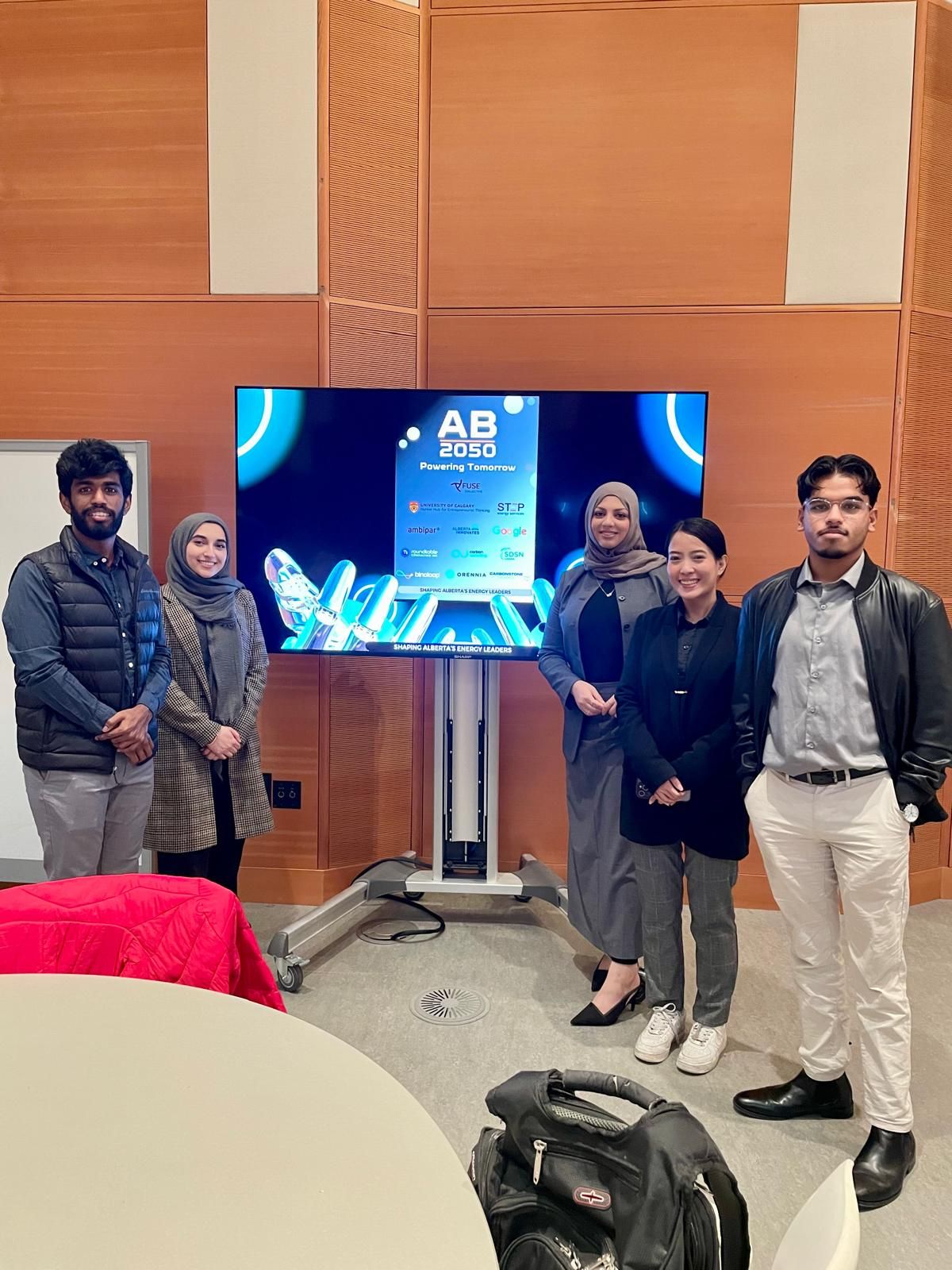
AB2050 Sustainable Data Center Competition
Going into my first 36-hour business case competition as an engineer surrounded by 100 business-focused individuals was one of the most challenging and rewarding ways I’ve pushed myself outside my comfort zone.
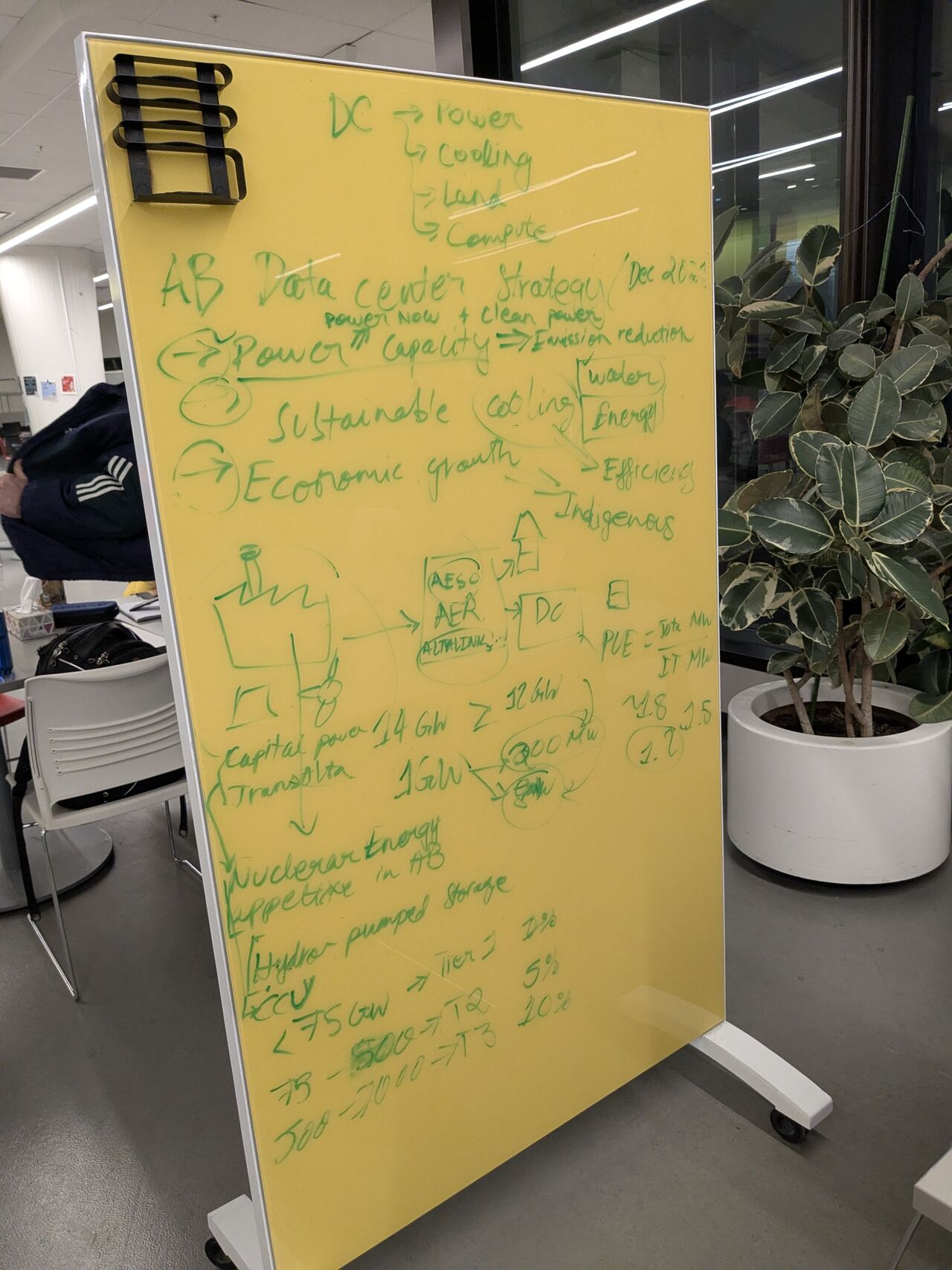
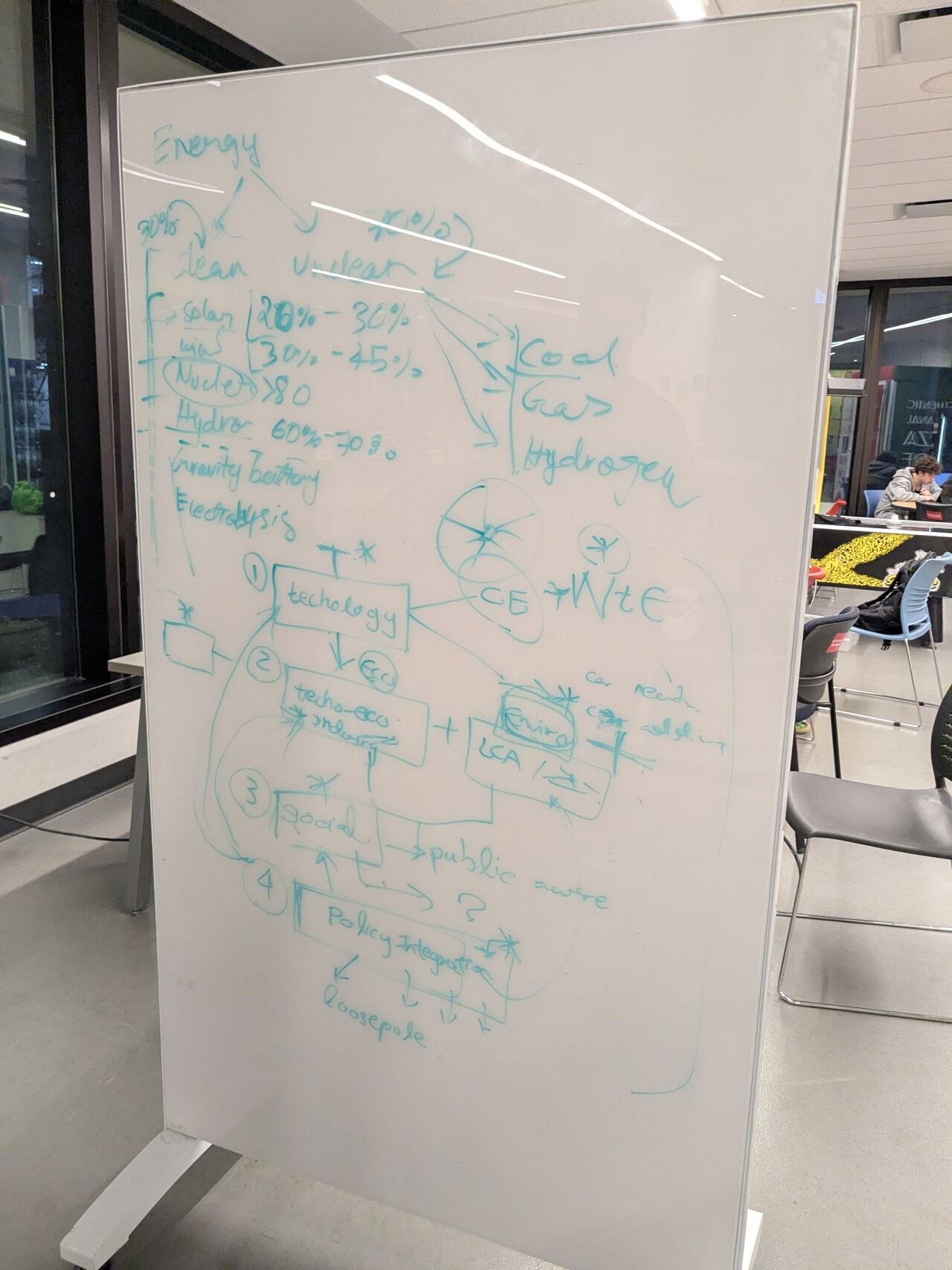
I participated in the Fuse Collective (University of Calgary) AB2050 Business Case Competition at the University of Calgary, where we worked on developing a sustainable data center strategy that supports Alberta’s 2050 net-zero goals while meeting rapidly growing demand.
It’s a very real and VERY tough problem. Working alongside passionate, brilliant teammates and hearing perspectives from different disciplines completely shifted how I think about these challenges. As an engineer, my instinct is always to build a working prototype, but the real world demands much more: funding plans, Indigenous community impacts, economic considerations, geopolitical factors, implementation feasibility pathways, and above all, government policy.
I had the chance to speak with industry leaders like Richard Itiveh, P.Eng., MBA, Danny Rowan, P.Eng, Amanda Mitchell, Lyndon Rey, Ivo Wind, Tony van den Camp, P.Eng, PMP, Guy Levesque, and Hannah Grewal, MSc. Through those conversations and during our strategy validation phase, it became clear that solutions on paper don’t always translate cleanly to reality, especially when trying to close a 15-GW gap in Alberta’s grid by 2030 in a sustainable and scalable way while partnering with Indigenous communities in a responsible way.
One of my biggest learnings: multidisciplinary collaboration drives innovation. Our team brought together expertise from healthcare, business management, chemical and energy engineering, and electrical engineering. I could genuinely see how each perspective strengthened our solution and pushed our thinking further.
Spending late nights (including working at the university until 3 a.m.) with people committed to solving some of the world’s toughest problems reminded me why stepping out of my comfort zone matters. It’s how we grow and how we build better, bigger solutions.