50 days of problem hunting ! Problem 5
50 days of problem hunting !🎯Problem 5
Perishable grocery is wasted at home by working individuals due to unawareness or apathy leading to redundant purchases, expired items, and financial strain.
Aim of this activity is to, identify a problem I faced, research about it, and validate the problem. I will solve the problem, only if it is a “Real Problem”.
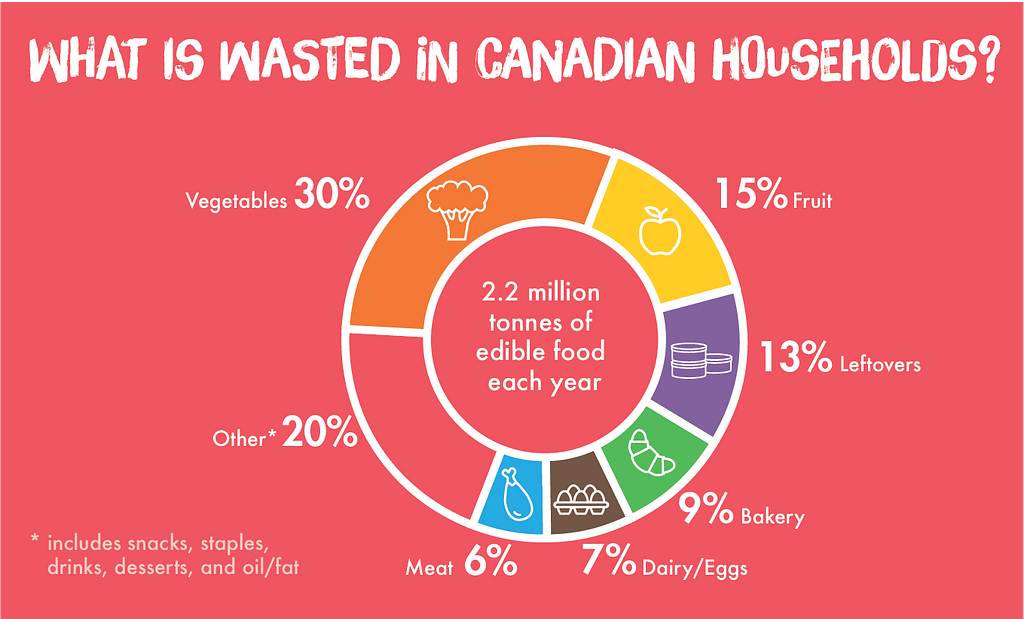
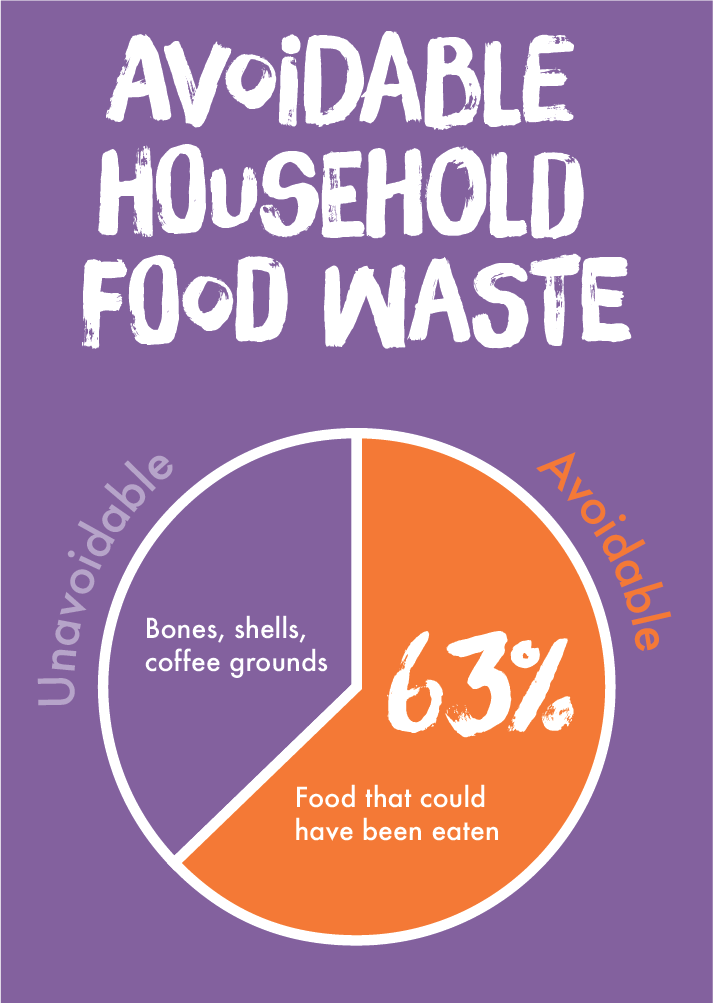
Source: Food and Agriculture Organisation of the United Nations (FAO) and National Zero Waste Council
Problem Exploration
Context: The problem occurs daily for busy individuals who lack time or interest in managing their grocery supplies from being wasted.
Background: Food waste is a significant global issue, about 1.6 billion tonnes of food are wasted annually, with 80% being edible. This represents more than 30% of all food produced and accounts for 6% of global greenhouse gas emissions.
In Canada, almost 2.3 million tonnes of edible food is wasted annually, costing over $20 billion! This equates to almost 300 pounds of waste per person each year. Meanwhile, Americans discard nearly 60 million tons of food annually, which equates to over 325 pounds of waste per person each year. On the contrary, nearly 35 million people across America live with food insecurity, 10 million of whom are children.
The problem primarily affects households, working individuals are especially vulnerable to this issue due to busy schedules and lifestyle factors. Canadian households throw 63% of food that could have been eaten, and American households cause 43% of all food waste in America.
This issue impacts not only individual households but also has far-reaching consequences for the environment and economy. Canada’s 2.3 million tonnes of avoidable household food waste is equivalent to 6.9 million tonnes of CO2 emissions. 41% of this waste is avoidable, with a value of $58 billion and expiry dates account for 23% of avoidable food waste. Food waste is the single largest component in US landfills, making up 22% of municipal solid waste. It also represents a substantial economic loss, with an estimated value of nearly $218 billion annually.
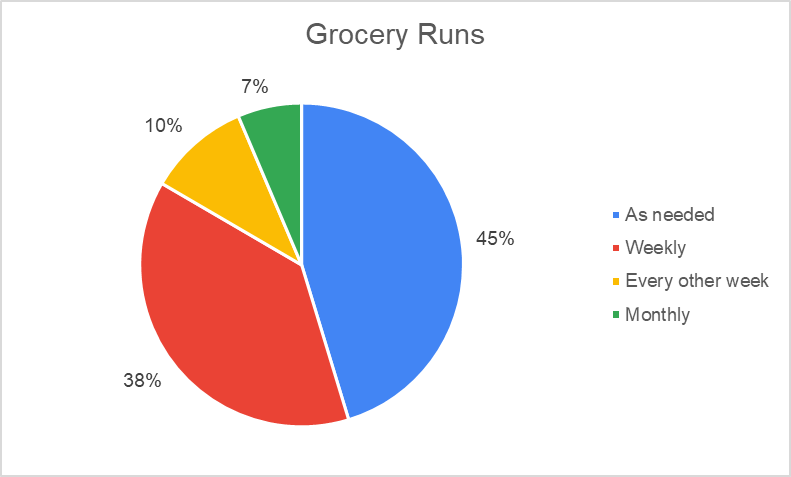
User backstory story (hypothetical): Subu, is a busy professional, striving to maintain a healthy lifestyle by cooking nutritious meals at home. Every other week, he shops for groceries based on what he thinks he needs, but his hectic schedule often leads to forgetting what he already has and their shelf lives. This results in redundant purchases and missing essential ingredients, disrupting his meal plans. He finds it tedious/lazy to manually check and organize his kitchen inventory and often can’t remember where items are stored, making it difficult to keep track of everything.
What will happen if the problem is unresolved:
- Financial Waste: Discarding spoiled food and redundant purchases strains his budget.
- Time Inefficiency: Frequent grocery trips disrupt his workflow.
- Guilt and Frustration: He feels remorseful about contributing to food waste.
- Health Impact: Inconsistent ingredient availability leads to less nutritious meals.
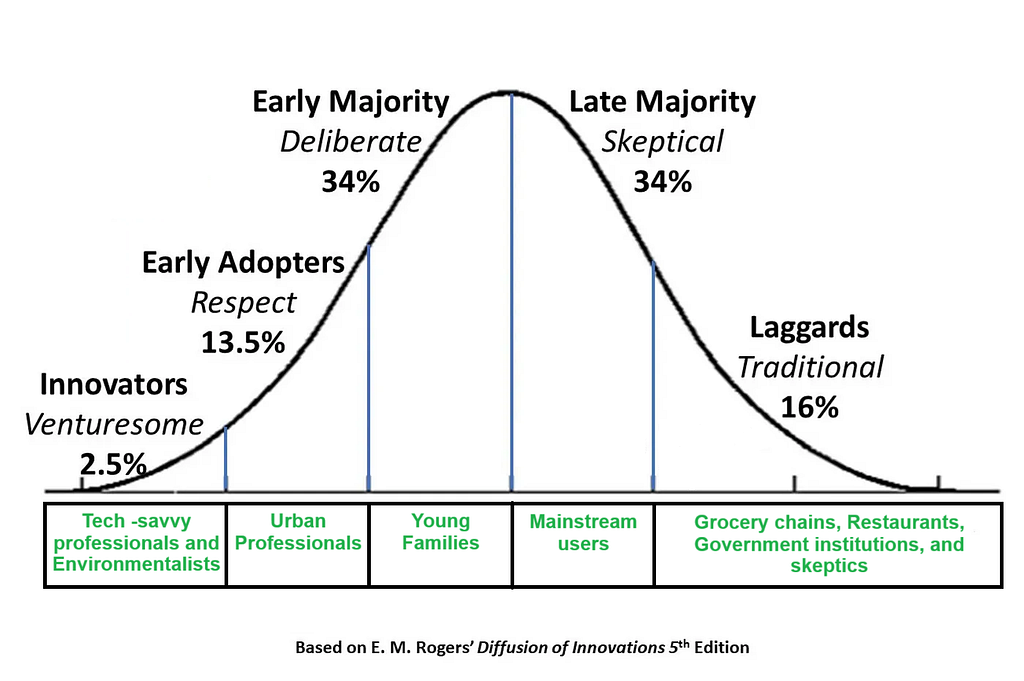
Ideal Client Profile: Health and environment conscious working professionals living in urban areas. They can be reached through grocery store partnerships, farmers’ markets, and social platforms.
Probable Adoption curve (hypothesis):
Impact:
The impact of food waste is significant and multifaceted, affecting the economy, environment, and society. Here’s a detailed breakdown of the impacts:
Economic Impact
- Global economic losses: Food waste causes approximately $940 billion in annual economic losses worldwide.
- Household costs: An Average Canadian household spends $1,800 annually on food waste and nearly $1500 in a US household.
- Agricultural sector: Global agriculture wastes an estimated 1.2 billion tonnes of food yearly at the farm stage, representing significant economic losses for farmers.
Environmental Impact
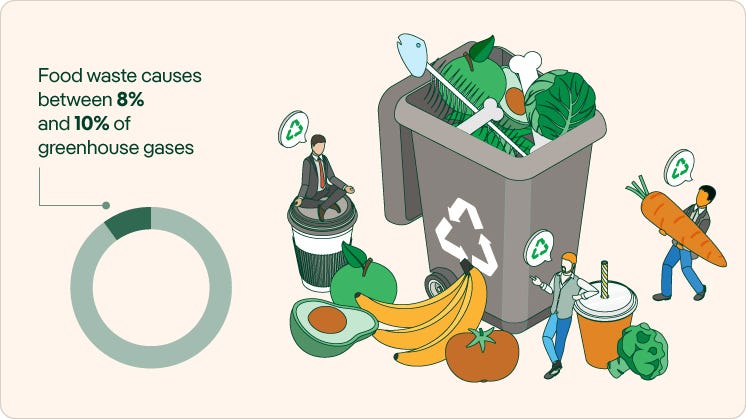
- Greenhouse gas emissions: Food waste contributes 8–10% of global greenhouse gas emissions. The carbon footprint of food waste is estimated at 3.3 billion tonnes of CO2 equivalent annually.
- Water and Land use: Food waste significantly impacts water resources, as two-thirds of our water footprint comes from food production. Food waste takes up the equivalent of almost a third of the world’s agricultural land.
Social Impact
- Food insecurity: Despite massive food waste, 6.8 million people in Canada, including 1.8 million children, lack safe and nutritious food.
- Missed opportunities: The food wasted globally could feed all 815 million hungry people in the world four times over.
Problem Category:
Problem validation:
Disclaimer: The dataset currently consists of 109 responses. While small, for the purposes of this practice problem, I am considering this sample size as sufficient to facilitate generalizations in the problem validation process.
Alright, let’s dive into the survey data with a data-driven approach. Welcome to the ‘Plot-ocalypse’ — trust me, these charts have a story to tell!
Source: Statistics based on the survey data as of 15/12/2024.
Source: Statistics based on the survey data as of 15/12/2024.
Source: Statistics based on the survey data as of 15/12/2024.
Source: Statistics based on the survey data as of 15/12/2024.
Source: Statistics based on the survey data as of 15/12/2024.
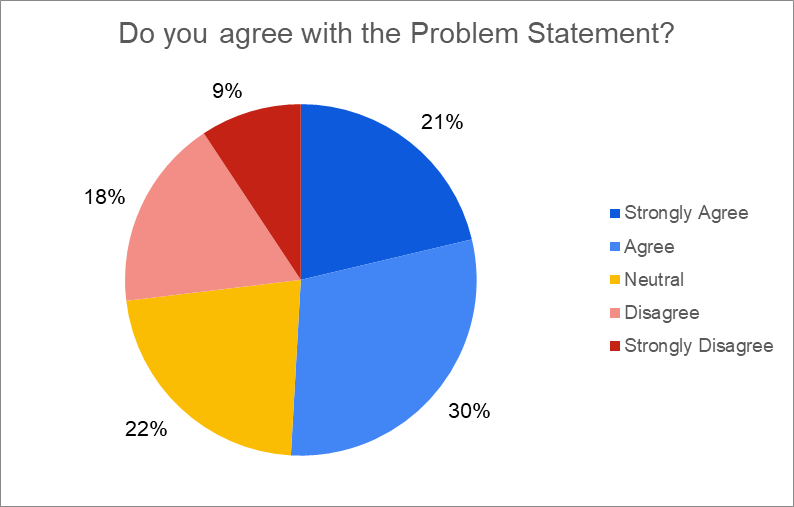
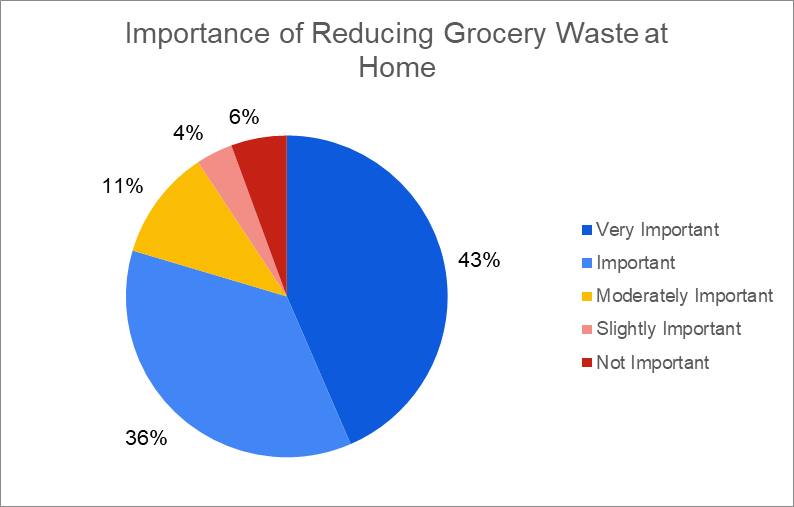
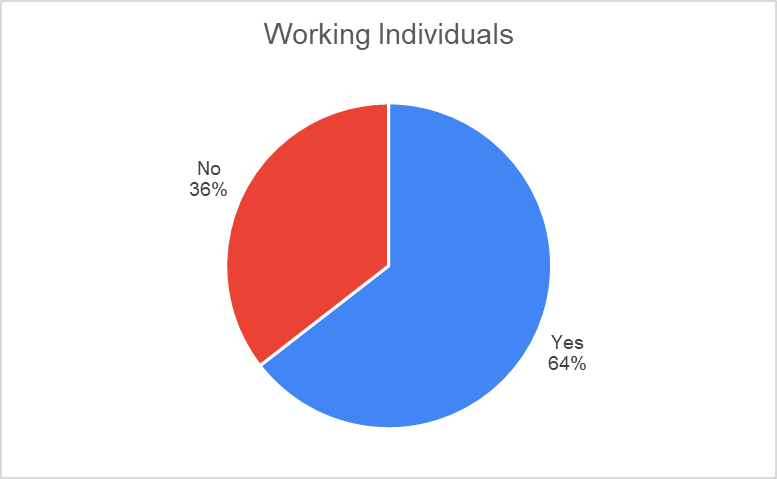
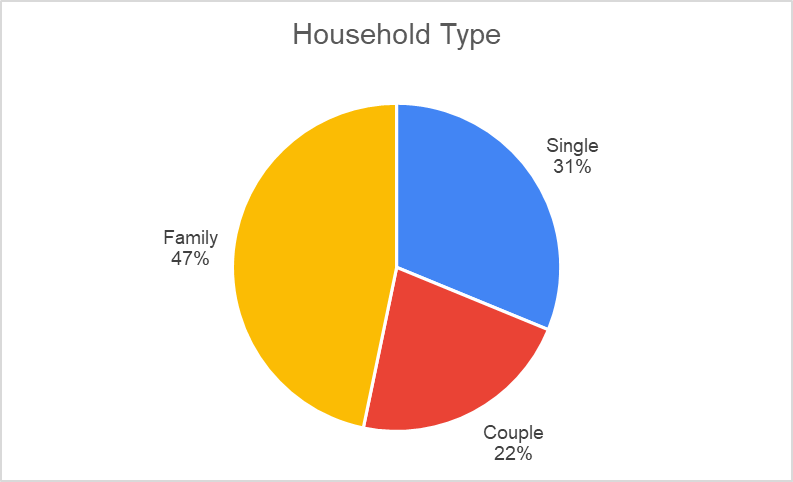
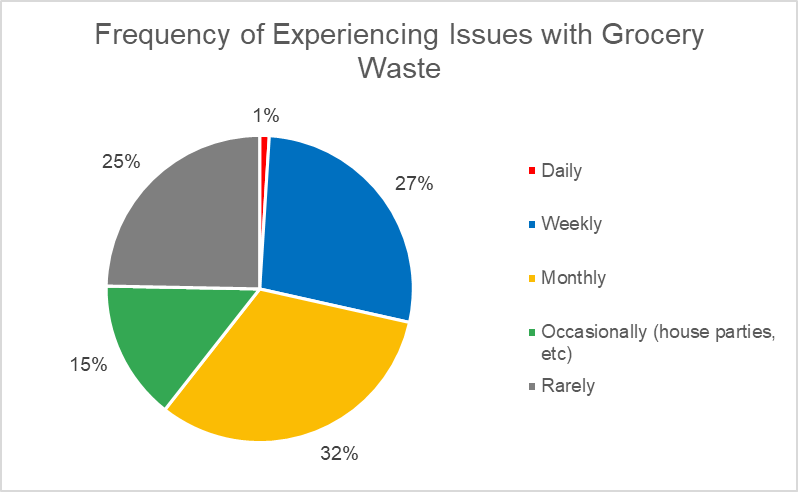
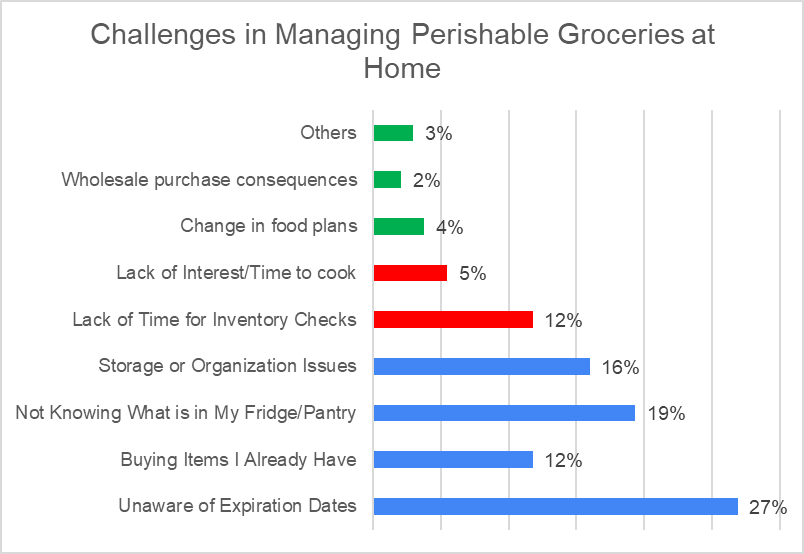
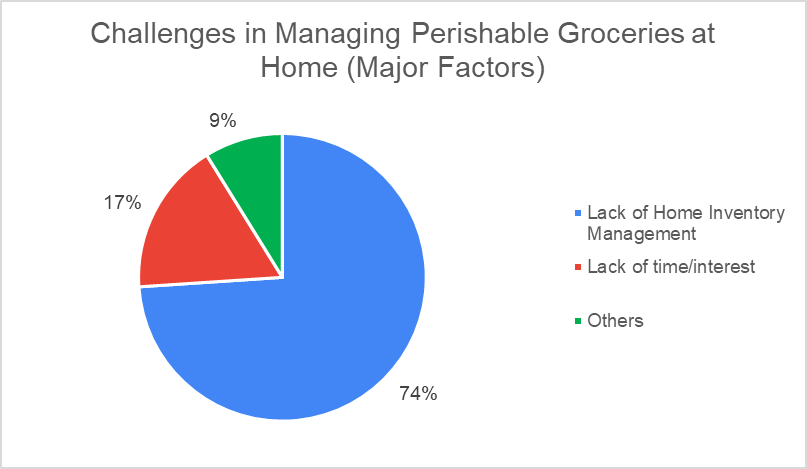
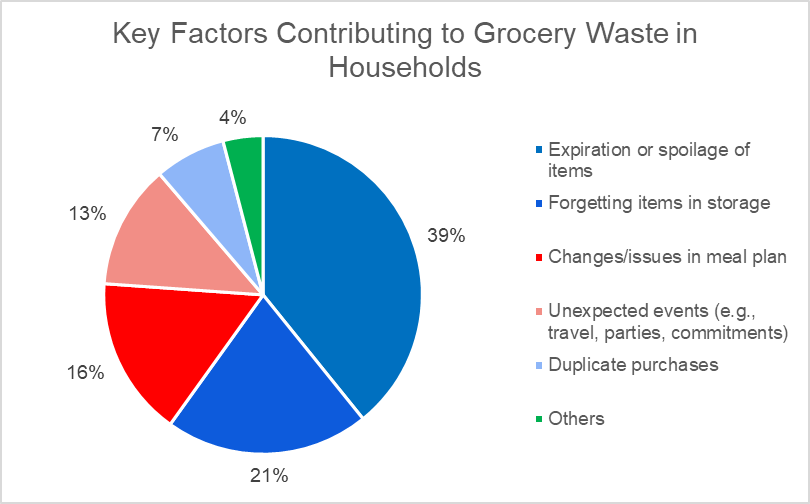
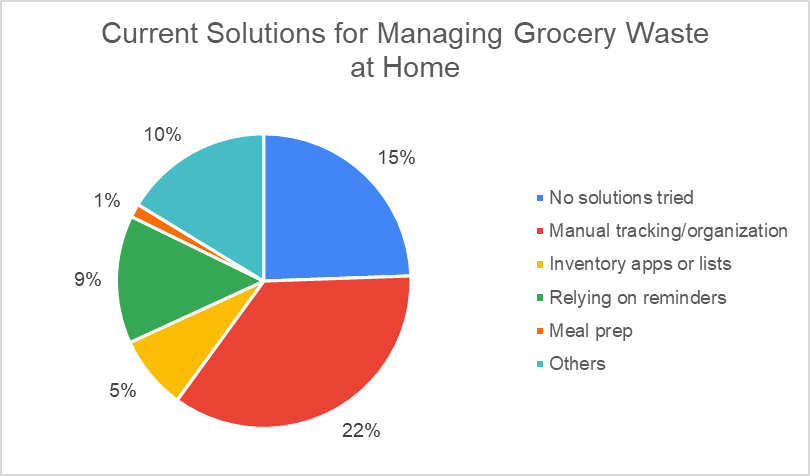
The survey data reveals that nearly half of respondents are working individuals who experience the issue of grocery waste on a weekly or monthly basis and are keen to reduce waste at home. The key challenges identified include a lack of home inventory management systems (such as forgetting expiration dates, redundant purchases, and pantry unawareness) and apathy towards the problem (due to time constraints or lack of commitment to meal plans). Additionally, 15% of respondents have not tried any solutions to address this issue, while 22% rely on manual tracking, 5% use grocery list apps, and 9% depend on reminders.
The main pain points for customers include:
- Expired items resulting from lack of awareness or planning.
- Redundant purchases due to poor inventory management.
- Lack of time/interest due to busy life.
- Difficulty locating items in overstocked refrigerators or pantries.
On an extended note, this problem is present across the food industry, from production and retail to consumer levels. It’s crucial to address this issue because reducing food waste could help feed families in need, conserve resources used in food production, and mitigate climate change by reducing greenhouse gas emissions from landfills.
Final Verdict
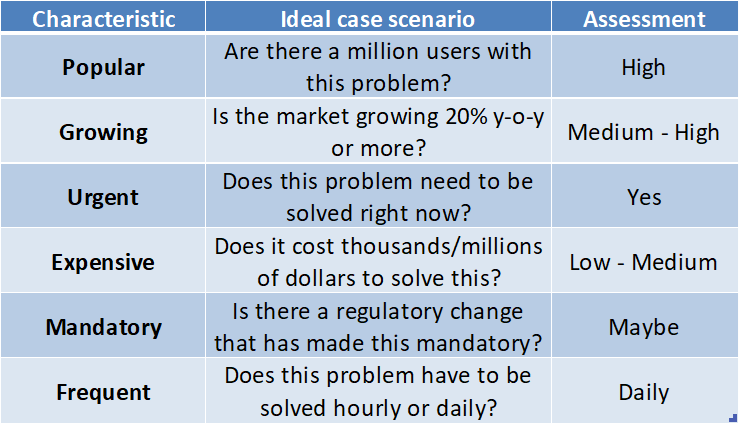
The problem validation has proved that this problem is highly popular, growing with significant economic, environmental, and social implications. The problem is desirable and viable, the feasibility will be assessed in-depth as a next step. We can confidently classify this problem as a “Real Problem”. Now, it’s time to explore potential solutions — an area I’m passionate about as an engineer. I think I will set the stage for the goal and scope of the solution.
My primary goal is to streamline grocery runs, enable smart automation (through partnerships and devices), and educate on healthy eating while incentivizing waste reduction. The value I aim to save the time, effort, and money lost on preventable grocery waste. It should be a system that makes grocery consumption efficient and maintains a healthy lifestyle without worrying about waste.
See you in 10 days with a new problem and its validation!