50 days of problem hunting ! Problem 1
Competitive Over-the-board (OTB) chess players lose valuable time adjusting pieces during time scrambles in rated games on a traditional board.
Aim of this activity is to, identify a problem I faced, research about it, and validate the problem. I will solve the problem, only if it is a “Real Problem”.
Problem Exploration
Context: The problem occurs for chess players during rated chess games on a traditional board.
Background: In fast-paced games like Blitz, moving pieces quickly often leads to pieces falling out of position. This can be frustrating and wastes valuable seconds to correct the pieces that could otherwise make a difference in critical moments. For example, consider the Magnus vs Ernesto Inarkiev Blitz Championship match in 2017, where both players made blunders under intense time pressure. So, I am here to explore this problem and validate it through research and user survey.
User backstory story (hypothetical): In the final seconds of a Chess World Cup game, Magnus, a grandmaster, loses valuable time and blunders as his rapid moves on a traditional board cause pieces to topple. The manual effort in resetting these pieces costs him critical milliseconds, impacting his speed and precision when every moment counts. He aims to save time because even a 50-millisecond advantage could be crucial.
What will happen if the problem is unresolved:
- Lose of edge/advantage in a rated game
- Increased mental pressure
- Blunders/Illegal moves
Ideal Client Profile: Rated players and enthusiasts, 4+ years old, and interested in playing OTB chess. They can be reached through chess clubs and associations, tournaments, and online marketplace.
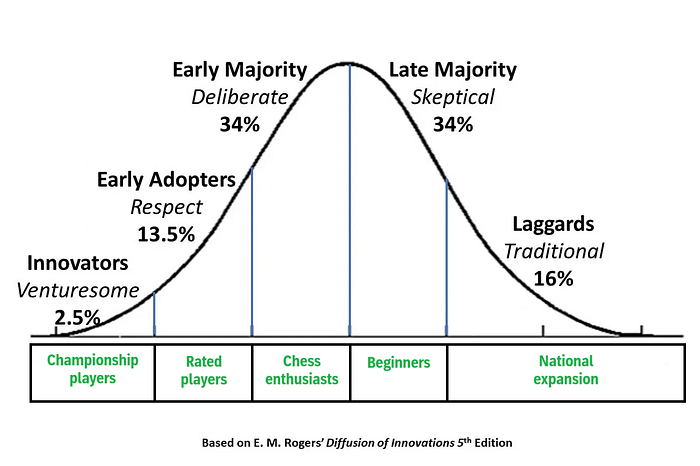
Probable Adoption curve:
The primary audience for this solution includes competitive FIDE championship players, followed by rated players, chess enthusiasts, beginners, and, lastly, expanding it nationally.
Impact
- **Emotional:**Customers experience pressure and nervousness, leading to hasty moves and irrational thinking, which can escalate to frustration or anger.
- **Quantifiable:**Milliseconds lost by the chess player during endgame.
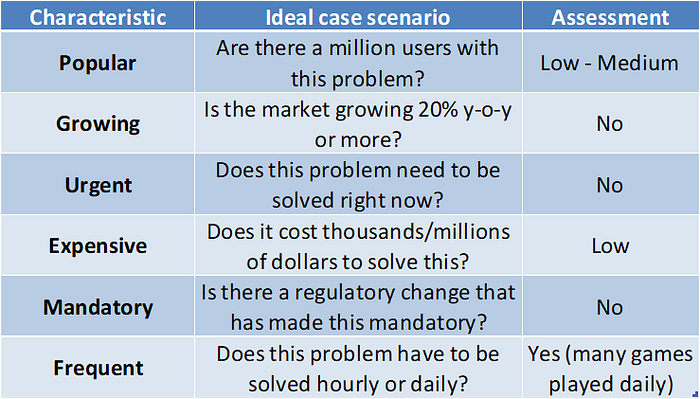
Problem Category:
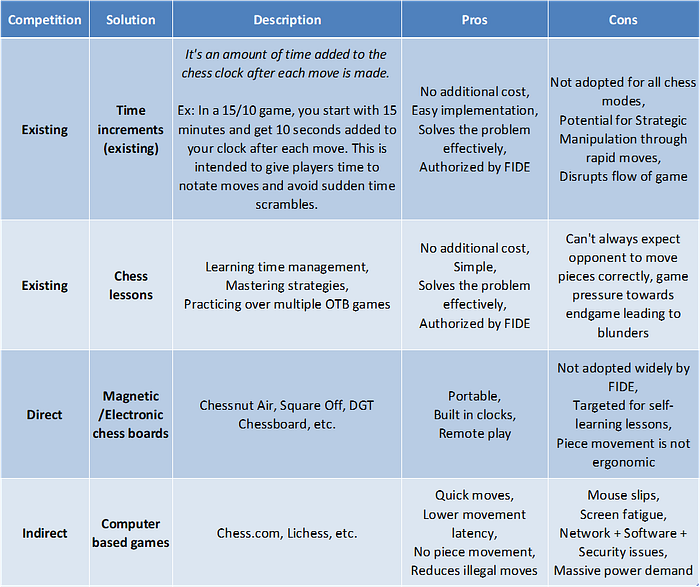
Existing solution/competitors:
Problem Validation
Disclaimer: The dataset currently consists of 11 responses. While small, for the purposes of this practice problem, I am considering this sample size as sufficient to facilitate generalizations in the problem validation process.
Now, let’s take a data-driven approach and understand the survey data.
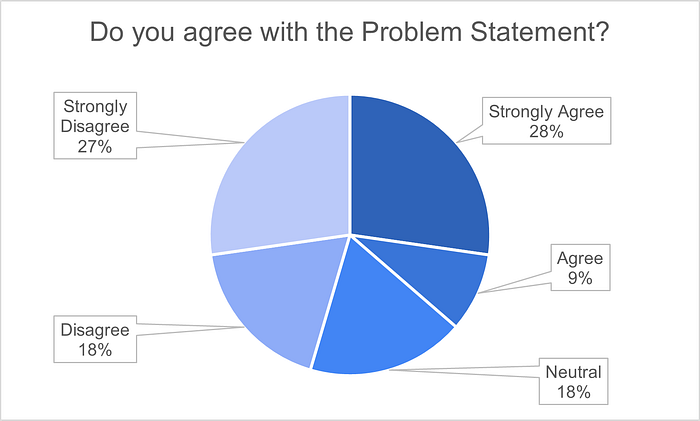
Source: Statistics based on the survey data as of 01/11/2024.
Source: Statistics based on the survey data as of 01/11/2024.
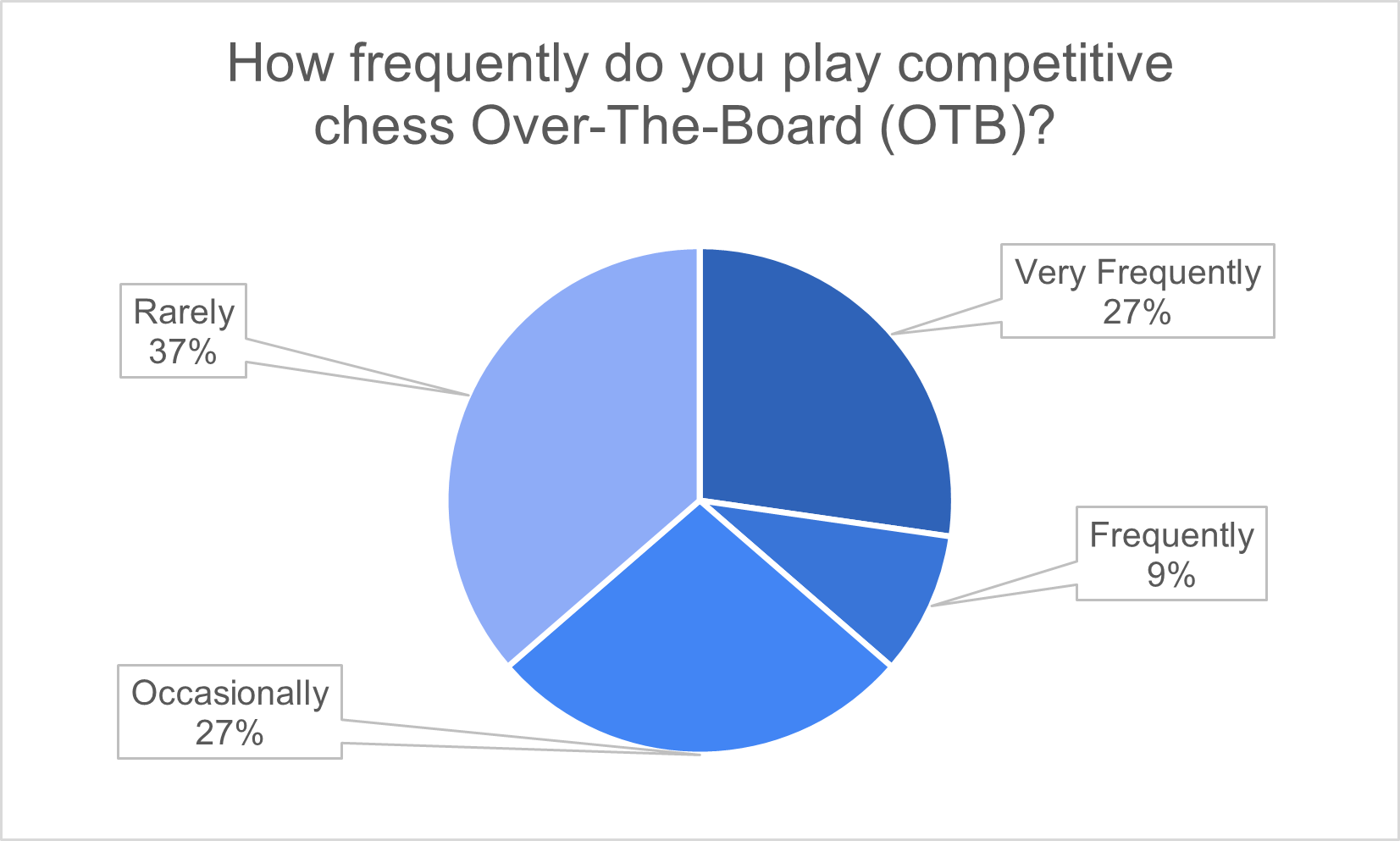
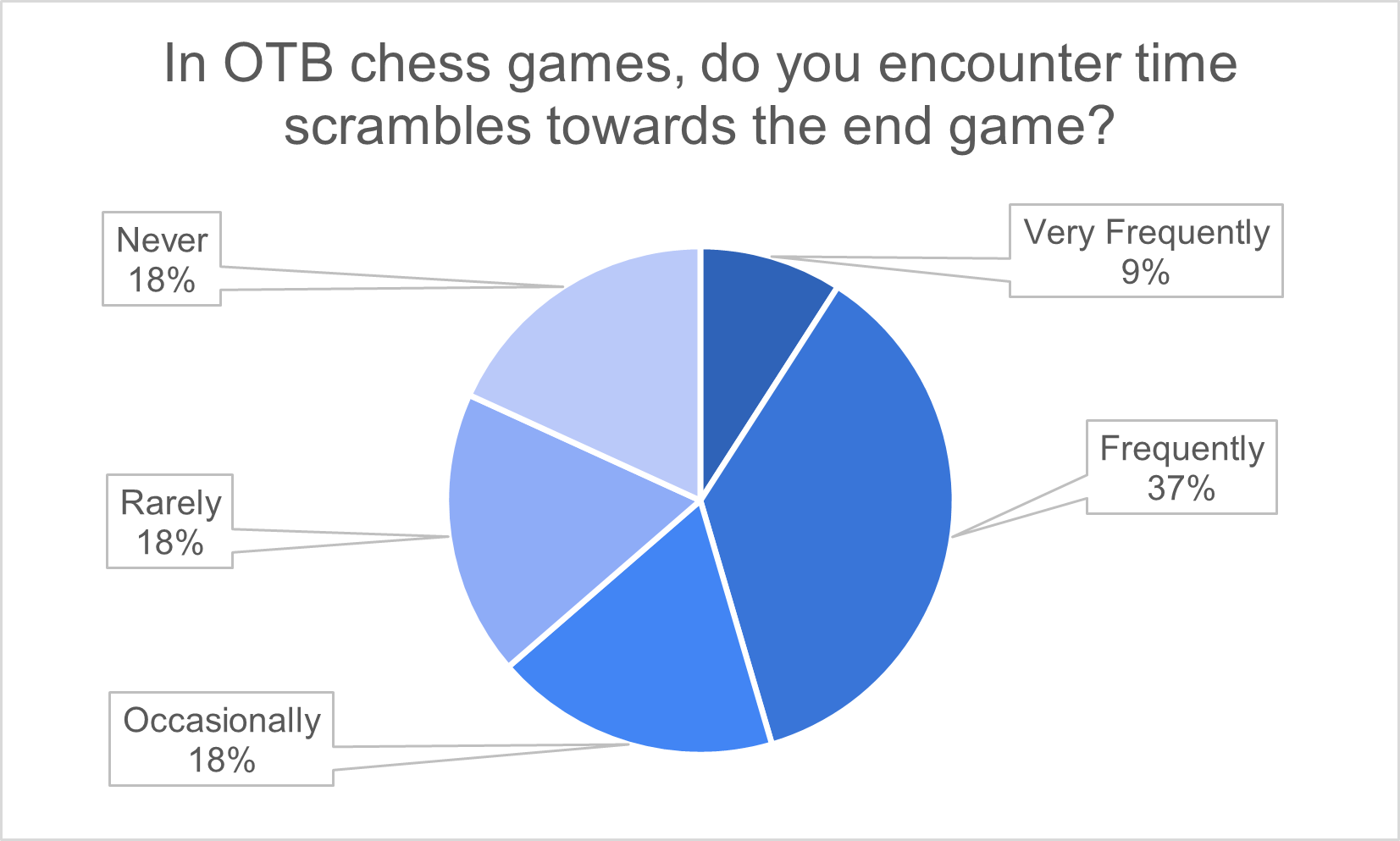
Approximately 37% of respondents agree with the problem statement, indicating awareness of time-related issues during gameplay. About 36% play competitively on a regular basis. Additionally, 46% of respondents experience time pressure during endgames, while 54% do not. These findings suggest that the problem is particularly prevalent among frequent players during critical endgame moments.
Source: Statistics based on the survey data as of 01/11/2024.
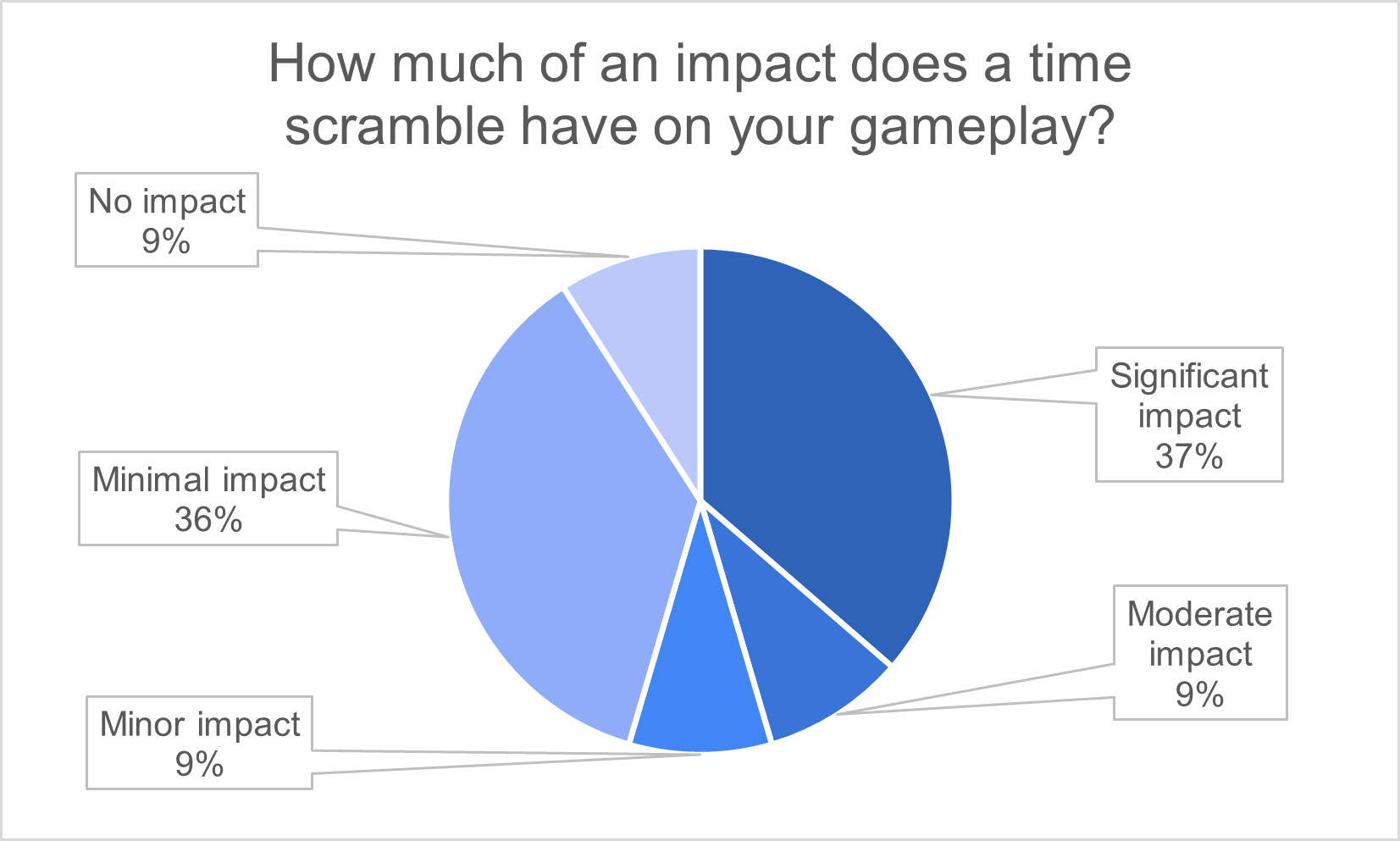
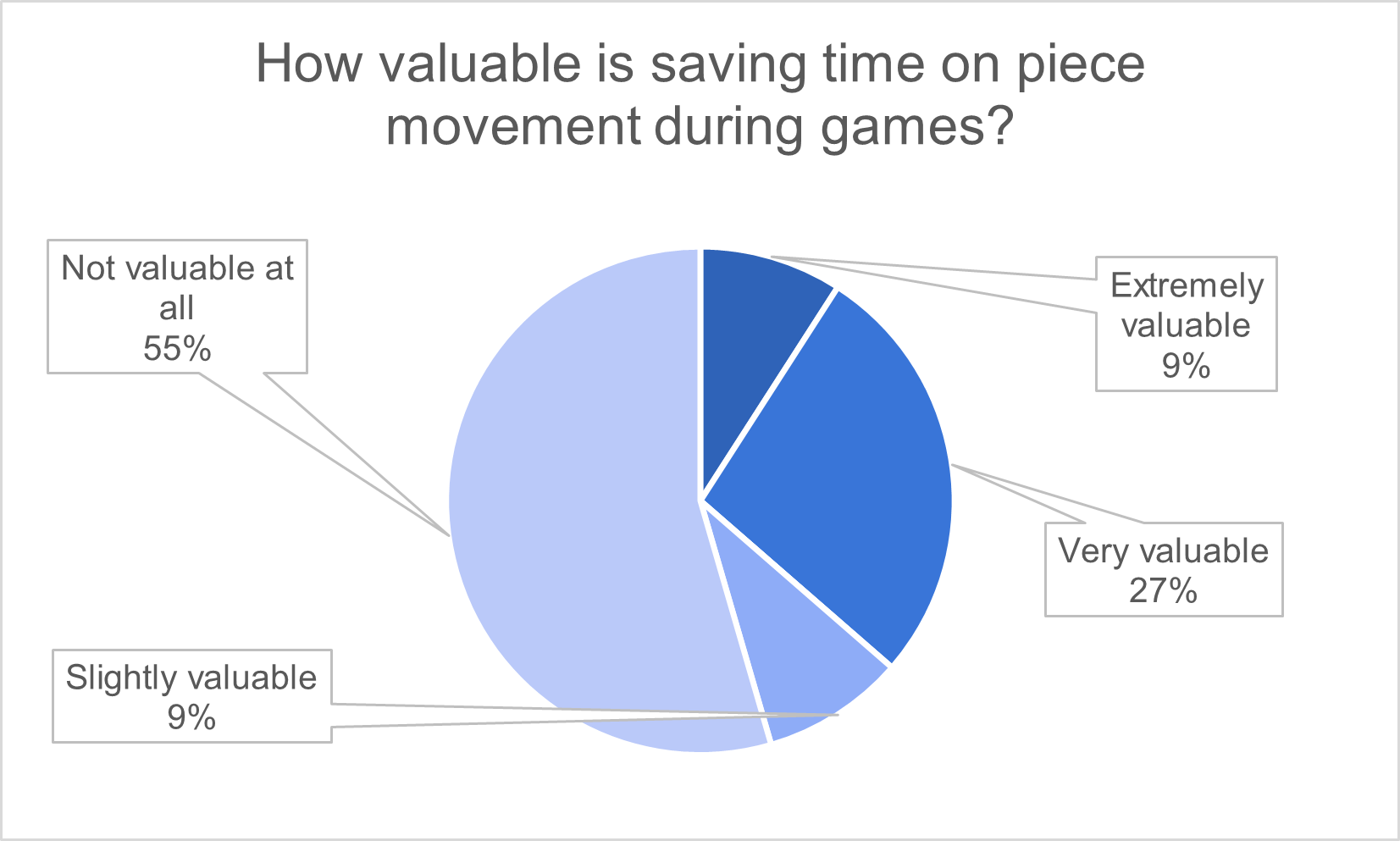
Approximately 54% of respondents report minor to no impact from time crunches during endgames, while 46% do feel an impact. Additionally, around 64% of respondents do not see value in saving time on piece movement. These findings suggest that the majority of survey participants do not recognize the benefits of a solution aimed at this issue.
Possible value exploration
Source: Statistics based on the survey data as of 01/11/2024.
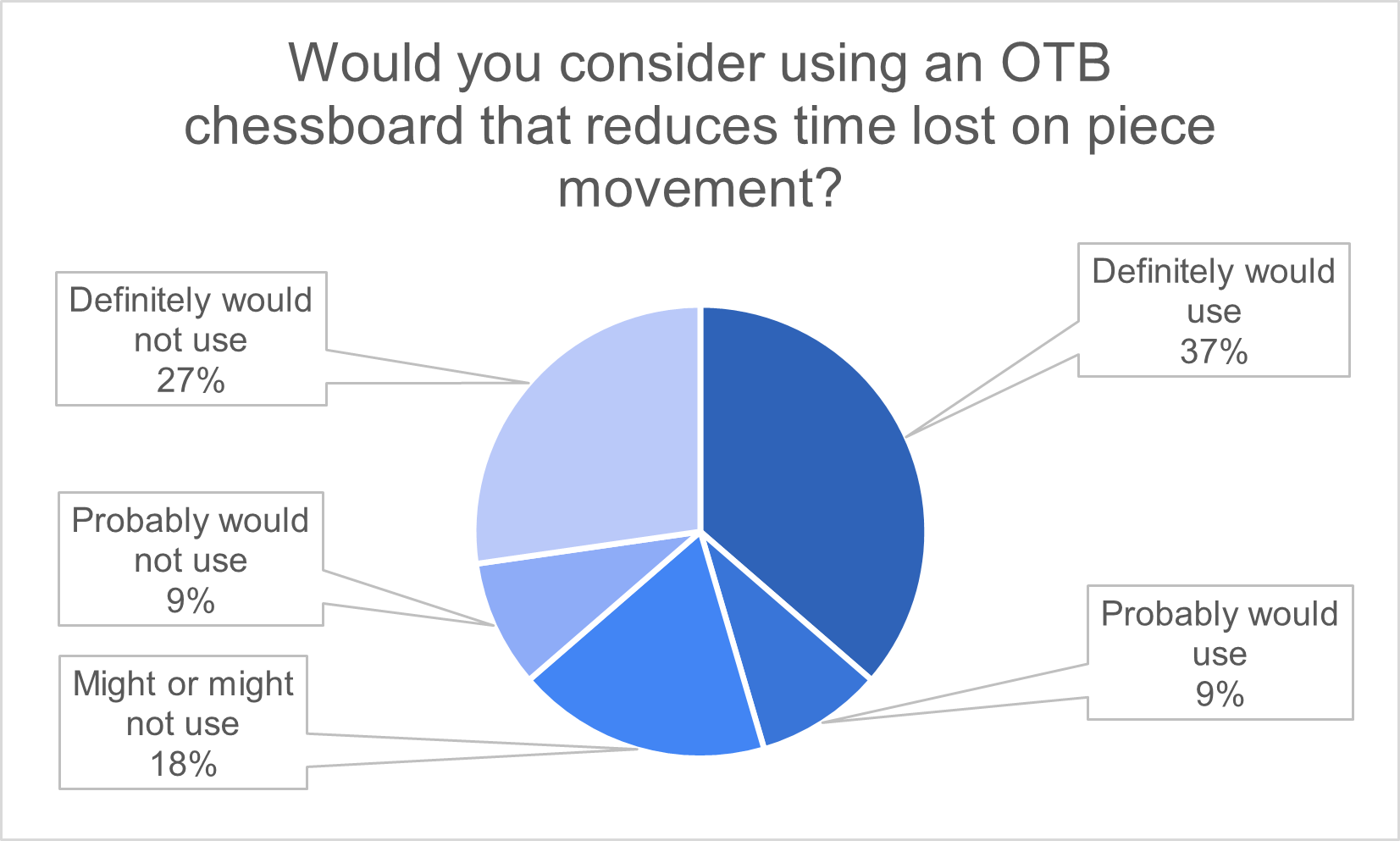
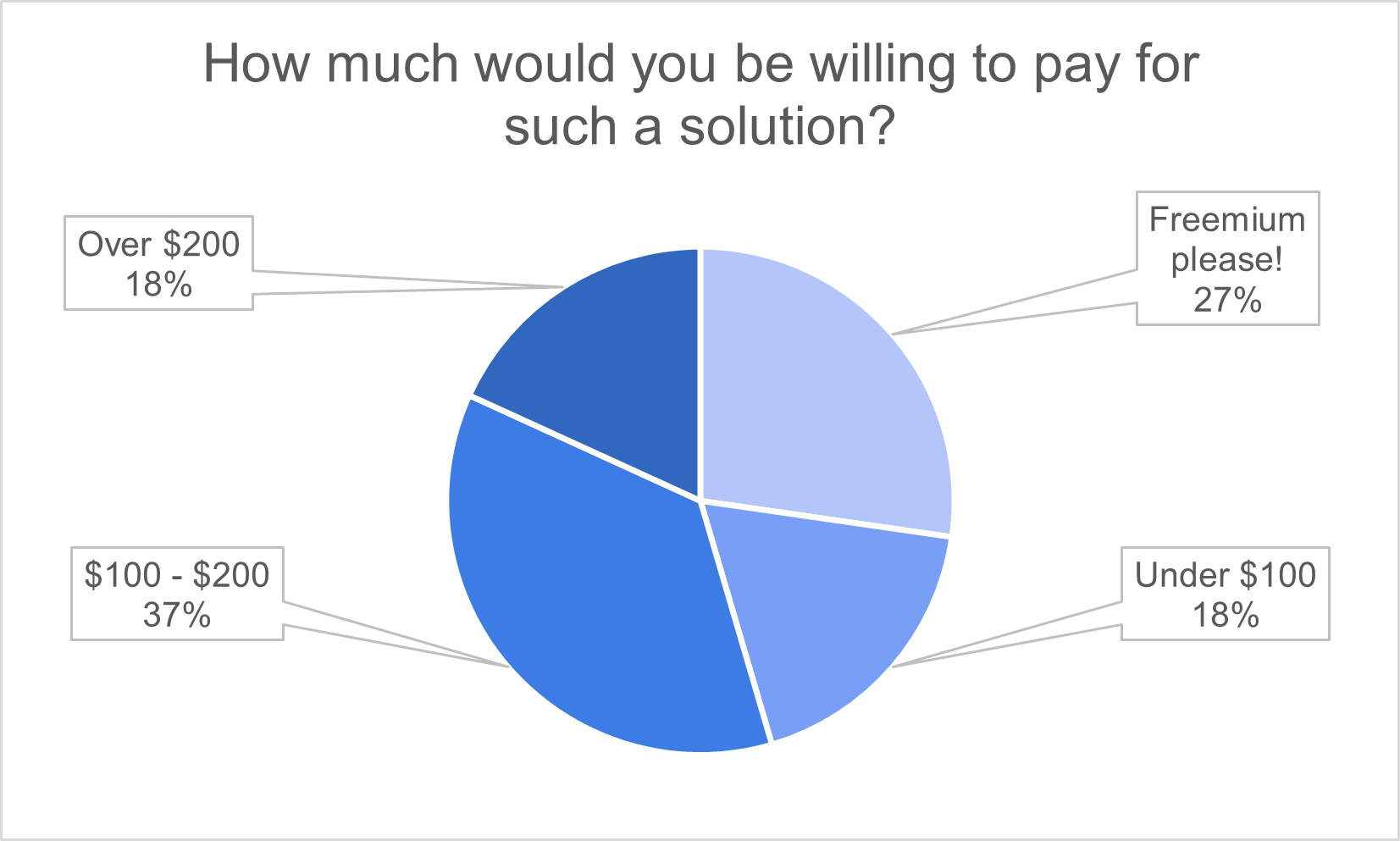
Approximately 54% of respondents indicate that they may not need or want an OTB board designed to address this issue, while about 27% express interest in a freemium model for such a solution. Overall, about one-third of participants appear to connect with the problem and show interest in a potential solution. However, the majority do not relate to the problem or perceive significant value in the proposed solution.
Final Verdict
Early problem categorization revealed that this issue is not urgent, mandatory, or growing. If any of the other three categories had been emphasized, we might have classified it as a valid problem. Based on the research, alternative solutions are simpler, more cost-effective, and some are even FIDE compliant. These conclusions are further supported by the survey results. Desireability is medium to low and Viability is low, there is no need to evaluate feasibility at this stage.
Therefore, it appears that this is not a “Real Problem”. Time to pivot!
**Optimistic pivots:**Potential directions include developing chess OTB boards for players with special needs, very young players, and other underserved groups.
See you in 10 days with a new problem and its validation!